
The Top 10 Foods for Recovery and Performance
Recovery is where progress actually happens.
Training creates stress. Recovery is how your body adapts to that stress and comes back stronger. If recovery is poor, performance stalls, soreness lingers, and motivation drops. Over time, that leads to inconsistency or injury.
While sleep and stress management matter, nutrition plays a massive role in how well you recover and perform day to day. And contrary to what marketing might suggest, recovery does not require expensive supplements or complicated protocols.
It starts with food.
Here are ten foods that consistently support recovery and performance, especially for people training three to five days per week.
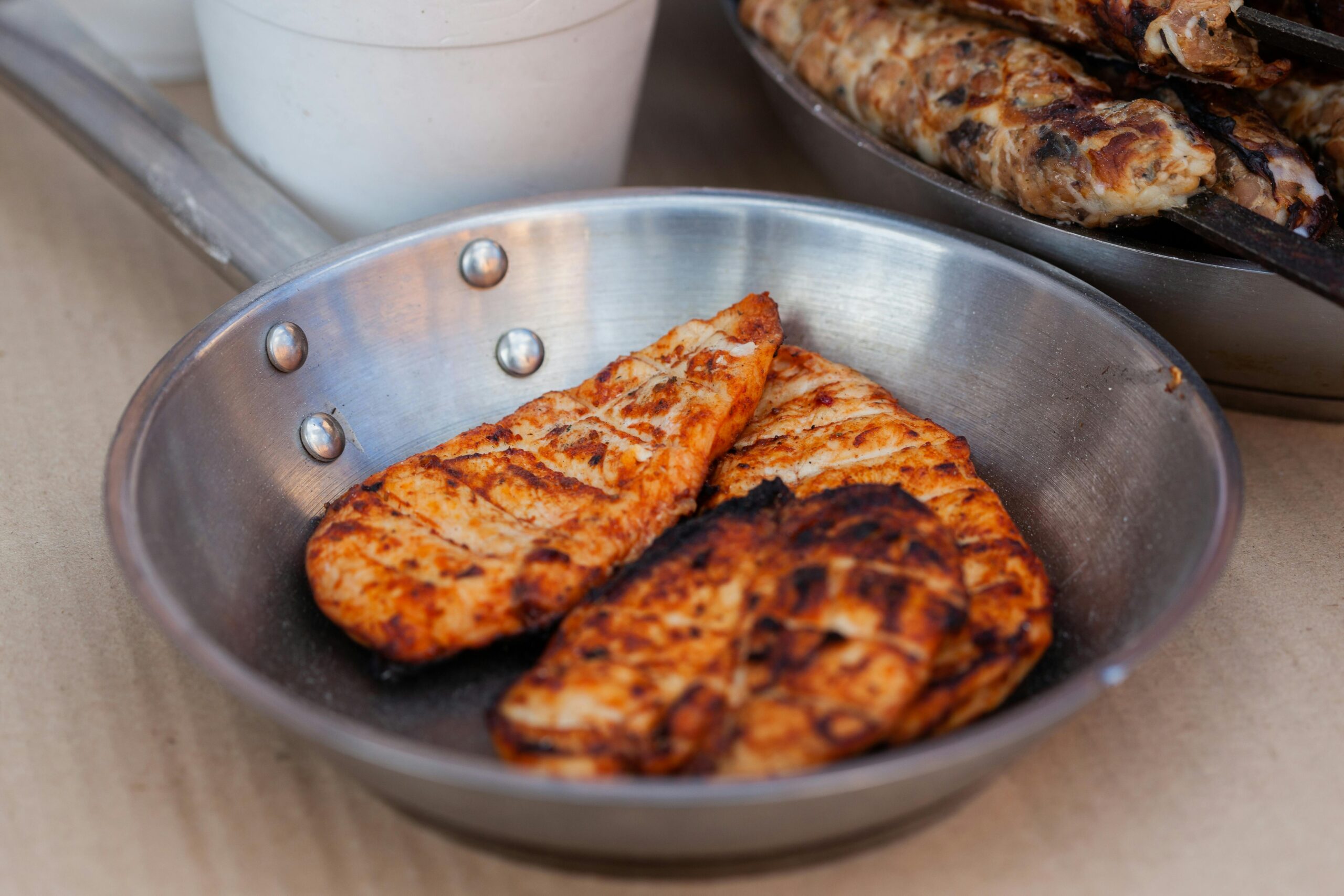
1. Lean Protein (Chicken, Turkey, Lean Beef)
Protein is the foundation of recovery.
After training, your body needs amino acids to repair muscle tissue and adapt to the stress you just created. Lean protein sources provide those building blocks without excessive added calories.
Lean meats are:
- High in complete protein
- Easy to portion
- Versatile and accessible
Aim to include a quality protein source at most meals. Consistency matters more than timing perfection.
2. Eggs
Eggs are one of the most nutrient-dense foods available.
They provide:
- High-quality protein
- Healthy fats
- Choline for brain and muscle function
- Fat-soluble vitamins
Eggs support recovery while also helping with satiety, which is especially useful during fat loss phases. They work equally well at breakfast, lunch, or dinner.
3. Greek Yogurt
Greek yogurt is a recovery powerhouse.
It contains:
- High protein content
- Calcium for bone health
- Probiotics for gut health
- Easy digestibility for many people
It’s a great option post-workout or as a snack when appetite is low. Pair it with fruit or honey for carbohydrates that support glycogen replenishment.
4. Potatoes
Potatoes are often misunderstood, but they are excellent for recovery.
They provide:
- Easily digestible carbohydrates
- Potassium for electrolyte balance
- Fuel for hard training sessions
Carbohydrates are not the enemy when you train. They help replenish muscle glycogen, support performance, and reduce excessive fatigue.
Potatoes are simple, filling, and effective.
5. Rice
Rice is another reliable carbohydrate source for recovery and performance.
It is:
- Easy to digest
- Low in fiber, which helps post-training digestion
- Simple to scale portions up or down
White rice works well around training, while brown rice can be useful at other meals depending on tolerance and preference.
Carbohydrates are fuel. Training without them long term often leads to stalled progress.
6. Salmon
Salmon supports recovery in a different way than lean protein.
It provides:
- High-quality protein
- Omega-3 fatty acids
- Anti-inflammatory benefits
Omega-3s help manage inflammation from training and support joint health. Including fatty fish a few times per week can make a noticeable difference in how you feel during high training volume phases.
7. Fruit (Especially Berries and Bananas)
Fruit plays a key role in recovery.
It provides:
- Carbohydrates for glycogen replenishment
- Antioxidants that help manage oxidative stress
- Micronutrients that support overall health
Bananas are great for quick fuel and potassium. Berries are rich in antioxidants that support recovery without excessive calories.
Fruit is simple, portable, and effective.
8. Leafy Greens
Recovery is not just about muscles. It’s about systems.
Leafy greens like spinach, kale, and arugula provide:
- Magnesium for muscle relaxation
- Iron for oxygen transport
- Vitamins that support immune function
When recovery is poor, illness and fatigue show up faster. Greens help keep the system running smoothly.
You don’t need massive salads, just consistent inclusion.
9. Olive Oil
Healthy fats matter for recovery and long-term performance.
Olive oil supports:
- Hormone production
- Joint health
- Anti-inflammatory processes
It’s an easy way to add calories for those training hard and struggling to eat enough. A small amount goes a long way.
Use it to cook, dress vegetables, or finish meals.
10. Water and Electrolytes
Hydration is often overlooked, yet it has a direct impact on performance and recovery.
Dehydration leads to:
- Poor training output
- Increased soreness
- Slower recovery
- Headaches and fatigue
Water should be your baseline. For those training hard or sweating heavily, adding electrolytes can support hydration and performance without excessive sugar.
Recovery starts with fluids.
Putting it all together
You do not need to eat all ten of these foods every day.
What matters is building meals that include:
- A quality protein source
- A carbohydrate source that supports training
- Fruits or vegetables for micronutrients
- Enough total calories to recover
Simple meals done consistently outperform complicated plans that fall apart.
A simple recovery-focused meal example
- Grilled chicken
- White rice or potatoes
- Roasted vegetables
- Olive oil drizzle
- Fruit on the side
That meal supports recovery, performance, and long-term health without overthinking.
The bottom line
Recovery does not come from a supplement stack or a magic food.
It comes from consistent habits built around simple, high-quality foods that support training demands.
If you want to feel better, train harder, and recover faster:
- Eat enough
- Prioritize protein
- Fuel with carbohydrates
- Stay hydrated
- Keep it simple
The best recovery plan is the one you can repeat week after week.

BOOK YOUR FREE NO SWEAT INTRO TODAY
Take the first step toward a healthier, stronger you—no pressure, no workout required. Just a simple conversation about your goals and how we can help.
Comments are closed